Farming the Sun: The Future of NZ Agriculture
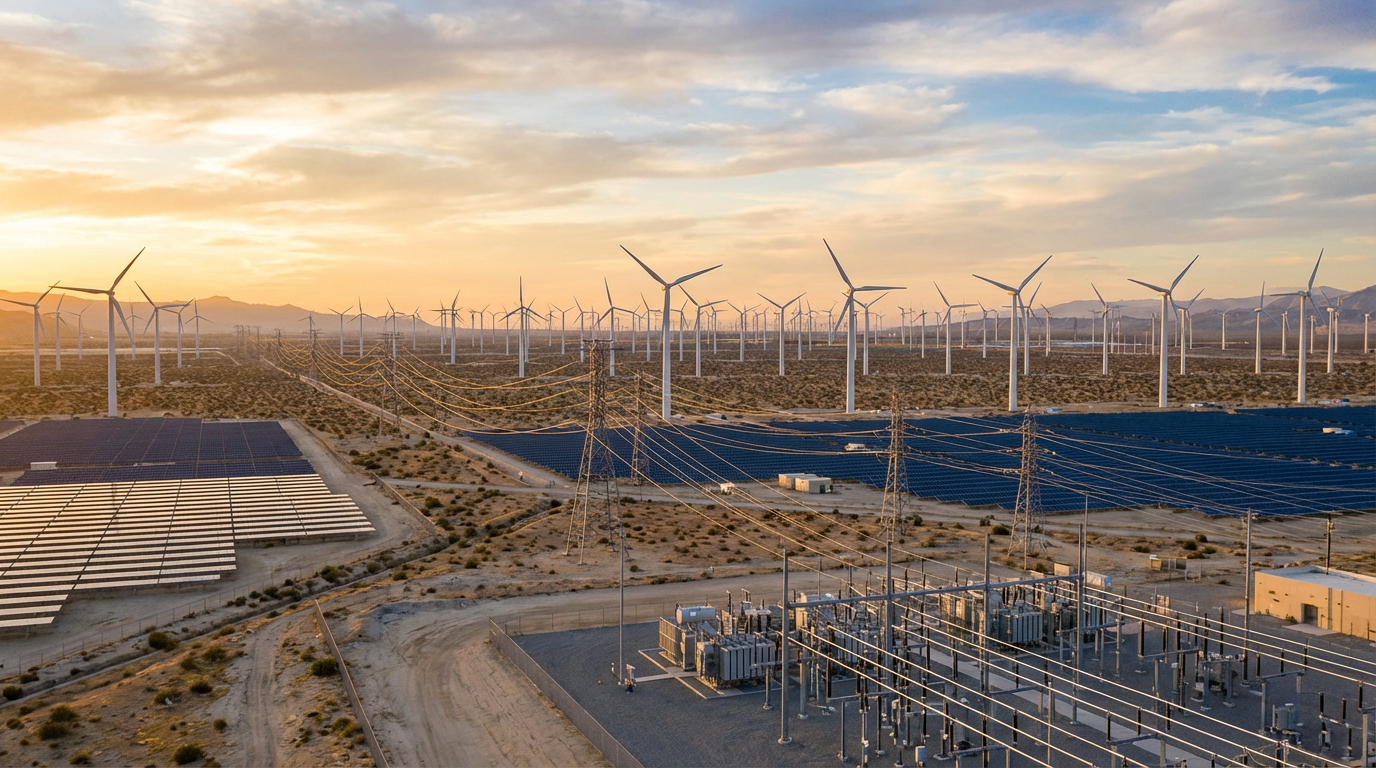
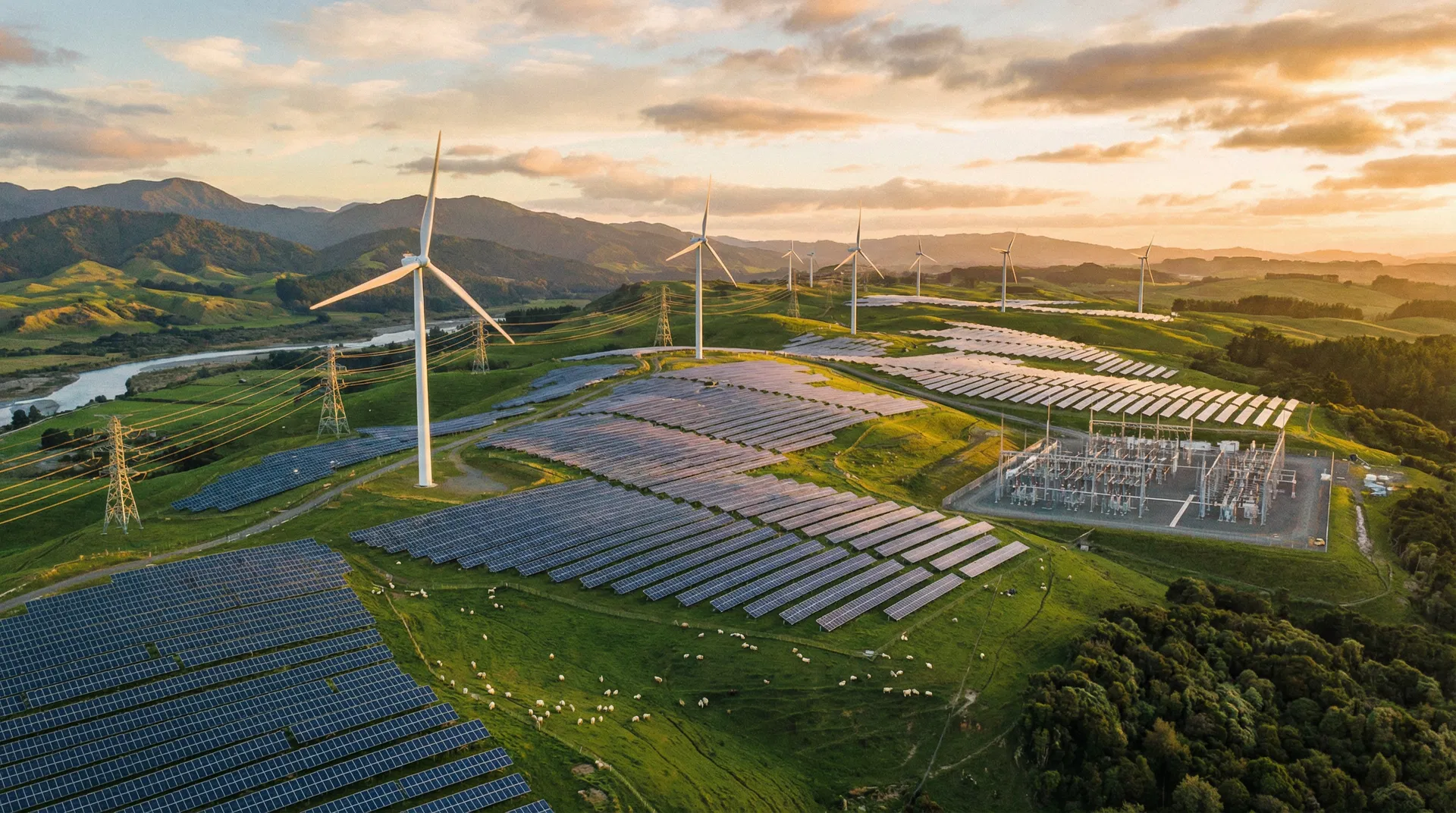
Agrivoltaics—the co-location of solar power generation and agriculture—is gaining traction across New Zealand. With our limited arable land, the ability to produce food and energy simultaneously offers a compelling economic model for farmers and landowners.
Benefits for Pastoral Farming
For sheep and dairy farmers, elevated solar panels provide much-needed shade for livestock during our intense summer months, improving animal welfare and milk solid production. The microclimate created under the panels can also retain soil moisture, reducing irrigation needs by up to 20%.
Recent studies from Lincoln University have shown that sheep grazing under solar arrays experience less heat stress, leading to improved weight gain and wool quality. The panels also create wind breaks that protect young lambs during spring, potentially reducing mortality rates by 10-15%.
Economic Viability and ROI
The initial capital investment for agrivoltaic systems is significant, typically ranging from $1.5-2.5 million per hectare for a commercial installation. However, the dual revenue streams—agricultural production plus electricity generation—can achieve payback periods of 7-10 years, with systems designed to operate for 25-30 years.
Government incentives and carbon credit schemes further improve the financial case. The Clean Energy Finance Corporation offers favorable loan terms for agrivoltaic projects, and farmers can earn additional income by selling excess power back to the grid or to local industrial users.
Technical Considerations
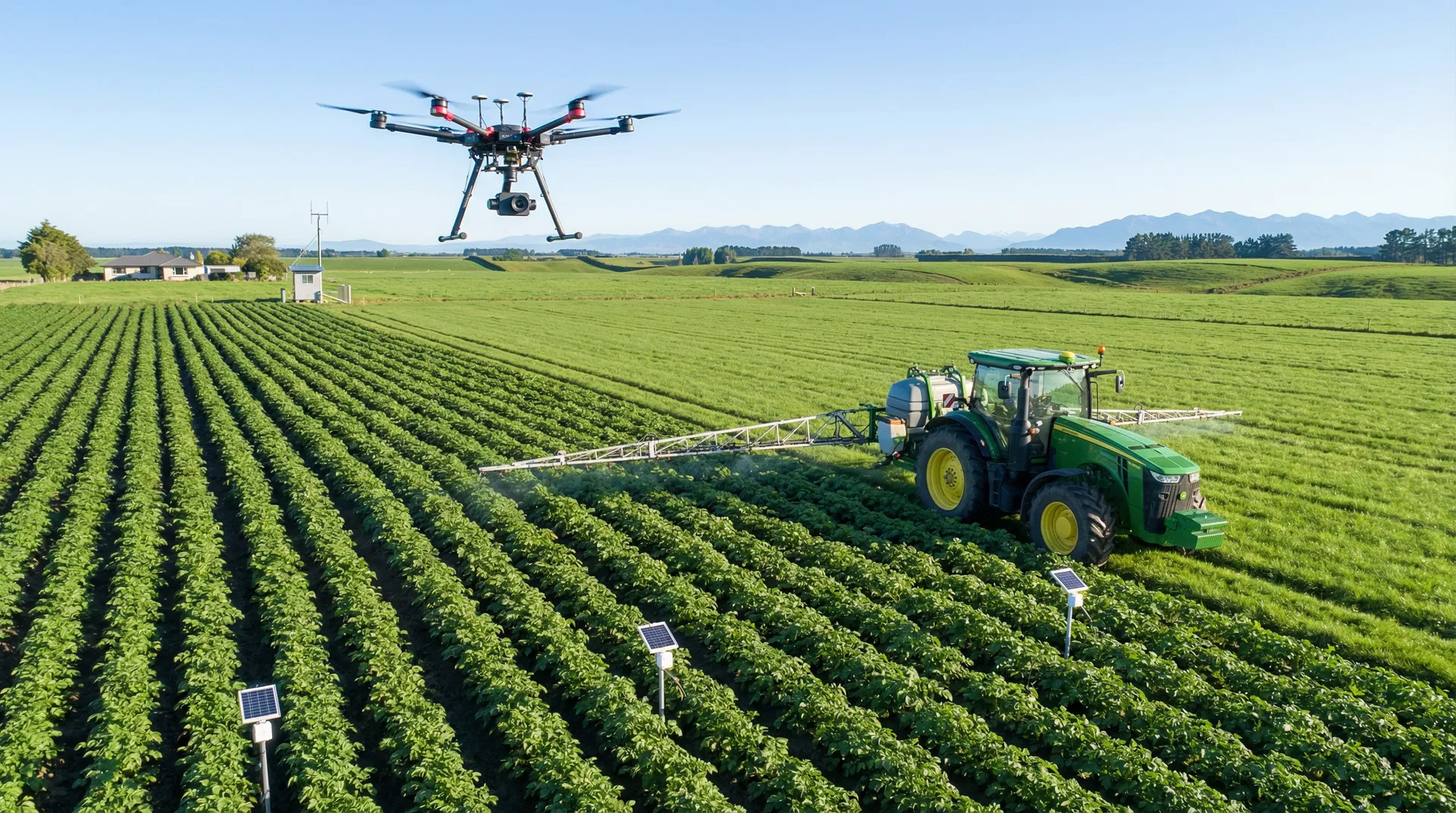
Successful agrivoltaic installations require careful planning. Panel height must be sufficient to allow farm machinery to operate underneath—typically 3-4 meters clearance. Panel spacing needs to balance energy generation with adequate light penetration for pasture growth. Our energy division works closely with agricultural consultants to design systems that optimize both outputs.
The structural requirements for elevated solar arrays are substantial. High-quality steel framing must withstand New Zealand's challenging weather conditions, including high winds and seismic activity. Hadid Group supplies hot-dip galvanized structural steel specifically engineered for these demanding applications, with all materials meeting NZS 3404 standards.
Case Study: Canterbury Sheep Farm
A 50-hectare sheep farm near Ashburton installed a 2MW agrivoltaic system in 2023. The farmer reports 15% higher lamb weights, 30% reduction in irrigation costs, and $180,000 annual revenue from electricity sales—while maintaining 85% of previous stocking rates.
The Path Forward
As New Zealand pursues its carbon-neutral goals, agrivoltaics represents a practical solution that doesn't require taking productive land out of farming. The technology is proven, the economics are improving, and the environmental benefits are clear. For forward-thinking farmers, now is the time to explore how solar integration can future-proof their operations.
Hadid Group's energy division can provide comprehensive support—from feasibility studies and structural engineering to supply of all steel components and connection to qualified installers. Contact our team to discuss how agrivoltaics could work for your property.