The Shifting Landscape of Global Steel
As we approach 2025, the global steel industry is undergoing a seismic shift driven by three primary factors: decarbonization mandates, fluctuating raw material costs, and geopolitical supply chain realignments. For New Zealand importers and construction firms, understanding these trends is crucial for strategic procurement and project planning.
1. The Rise of "Green Steel"
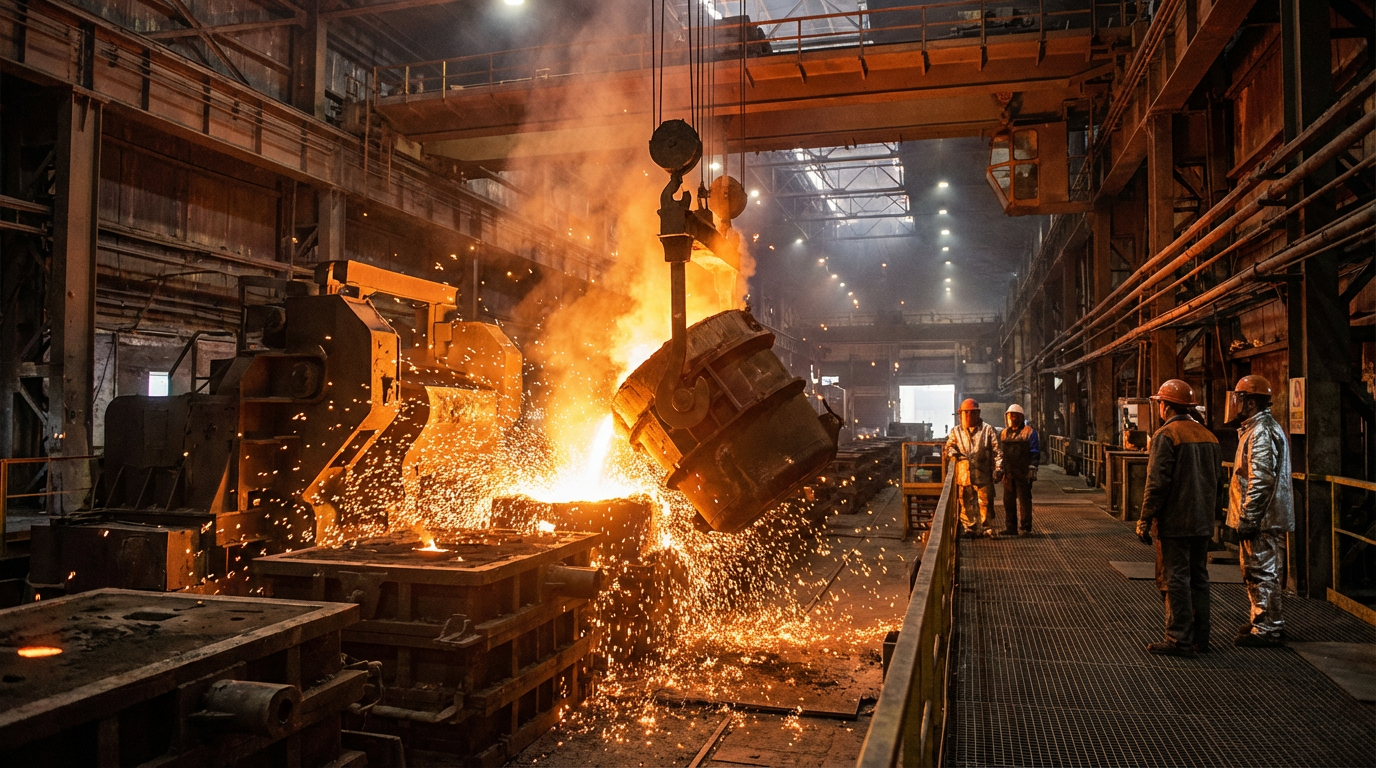
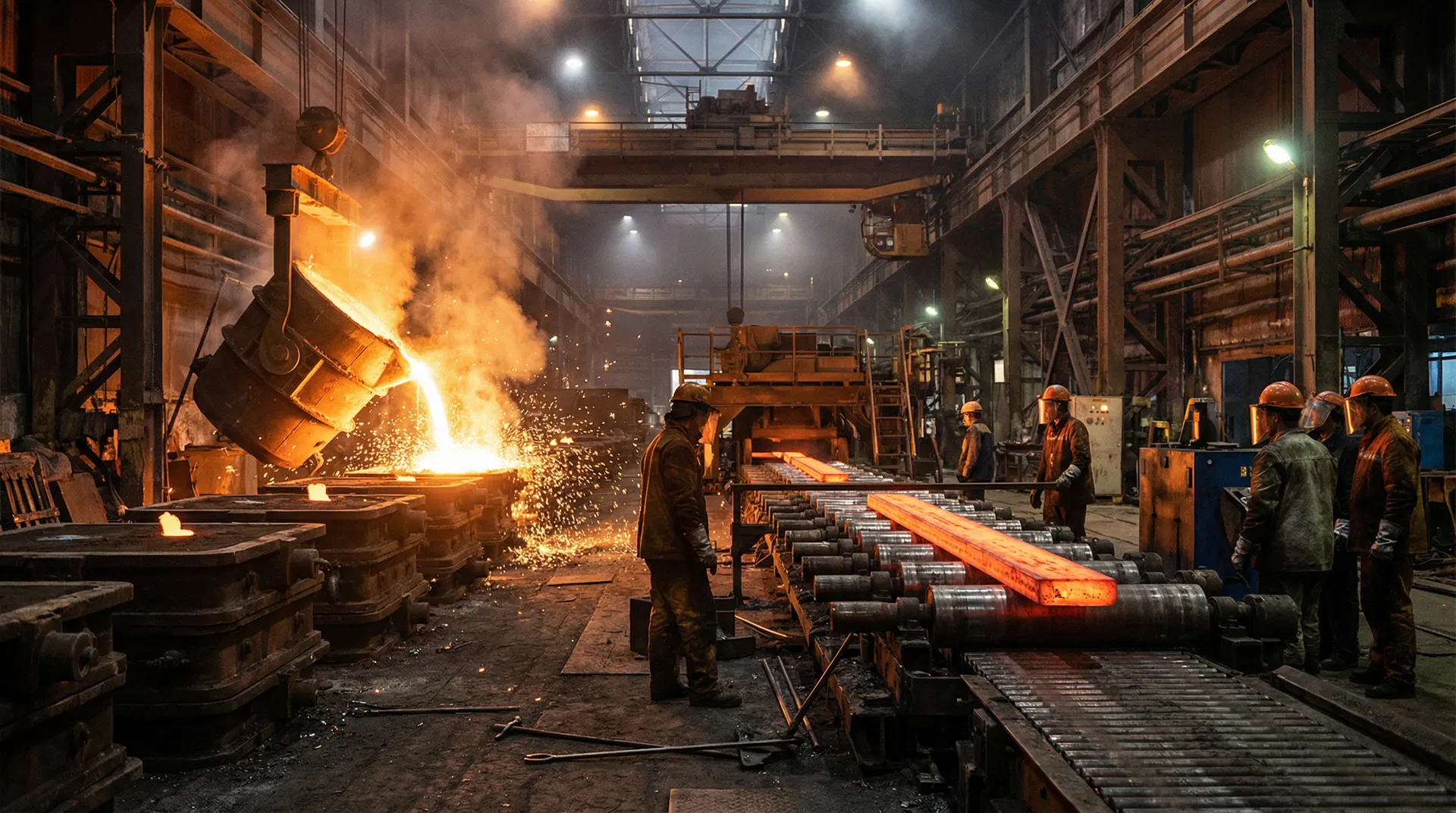
Decarbonization is no longer a buzzword but a market imperative. Major producers in China and Europe are transitioning from traditional Blast Furnace (BF) methods to Electric Arc Furnace (EAF) production, significantly reducing carbon emissions. This shift is creating a two-tier market where low-carbon steel commands a premium.
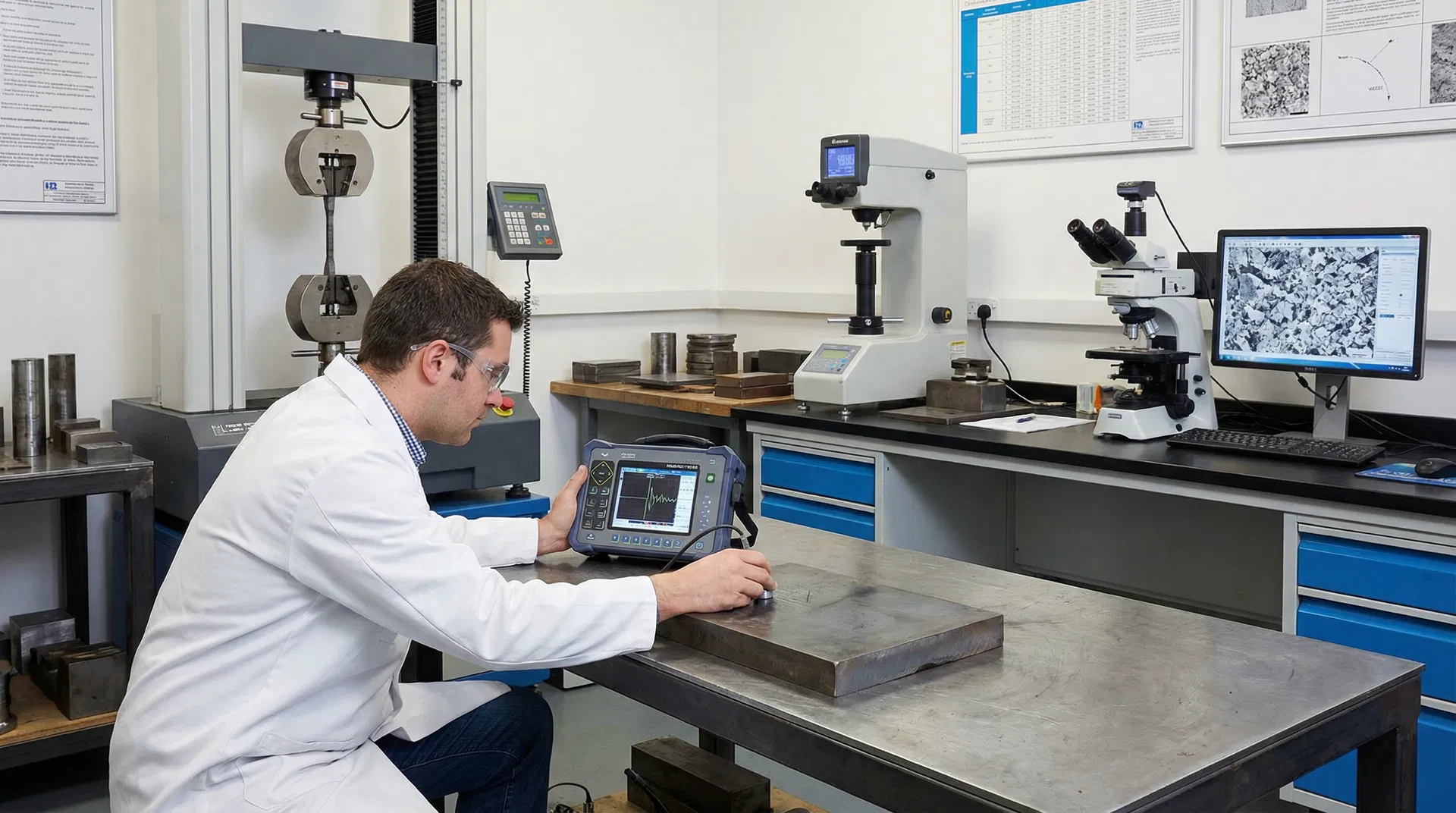
At Hadid Group, we are actively partnering with mills that meet international ISO 14001 environmental standards to offer sustainable options to our Kiwi clients. The transition to green steel production methods includes hydrogen-based direct reduction processes, which can reduce CO2 emissions by up to 95% compared to traditional methods.
2. Price Volatility and Raw Materials
Iron ore and coking coal prices remain volatile, influenced by mining output in Australia and Brazil. However, the stabilizing demand in East Asia is expected to level out pricing by Q2 2025. We advise our clients to lock in forward contracts for large infrastructure projects to mitigate spot market risks.
The global steel market is also experiencing significant shifts in production capacity, with China implementing stricter environmental regulations that are reducing output from older, more polluting facilities. This has created opportunities for high-quality producers who can meet both environmental and performance standards.
3. Supply Chain Resilience
Post-pandemic logistics have taught us the value of diversification. Relying on a single source is risky. Hadid Group's strategy involves a multi-hub sourcing network across key Chinese industrial zones, ensuring that even if one region faces disruption, our supply lines to New Zealand remain open and fluid.
Our logistics network includes strategic partnerships with major shipping lines and warehousing facilities in Auckland and Christchurch, enabling us to maintain consistent inventory levels and rapid delivery times. This integrated approach ensures that your projects stay on schedule, regardless of global supply chain challenges.
Key Takeaway for NZ Developers
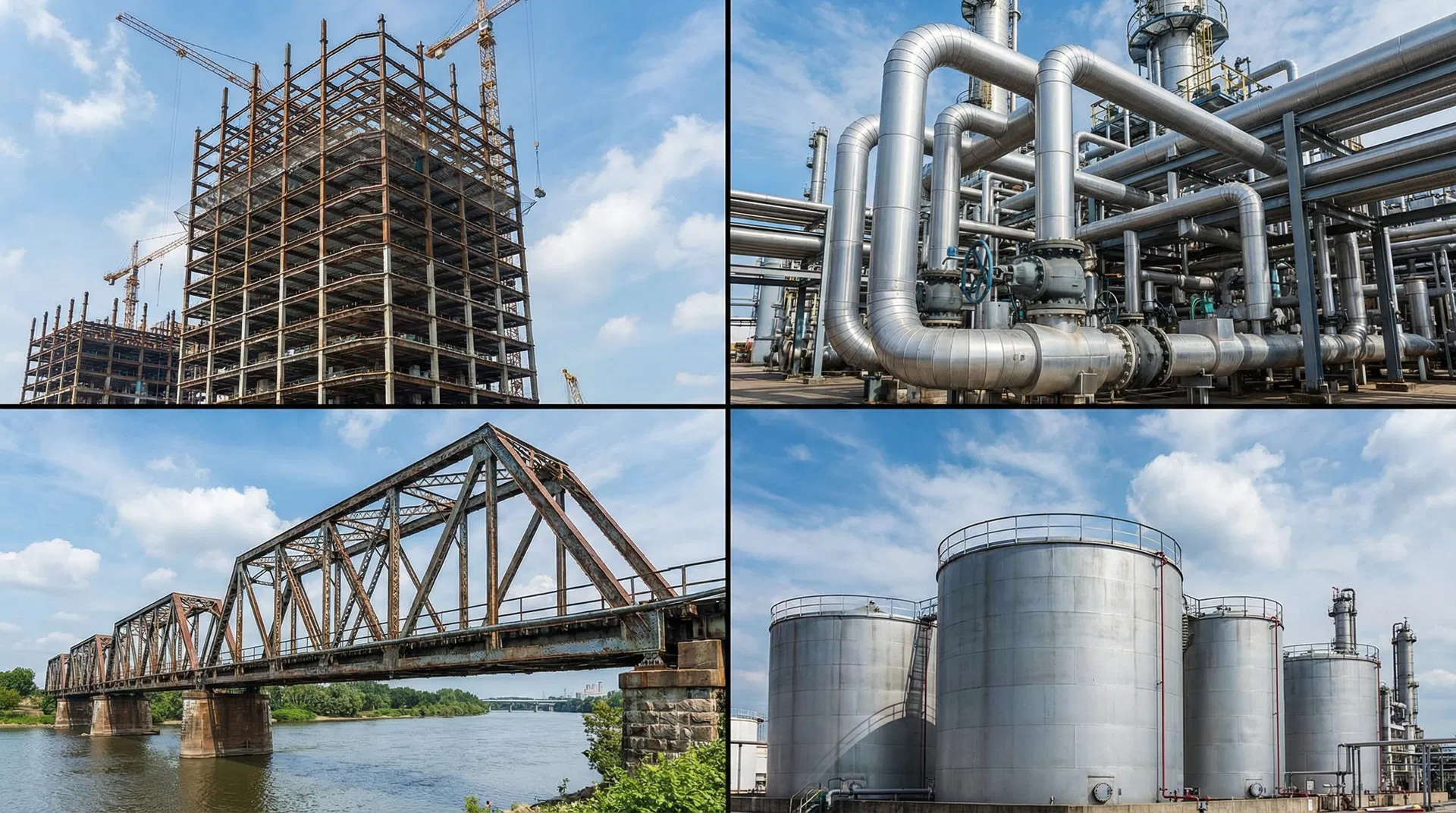
Expect a moderate price increase in structural steel sections due to green levies, but improved availability as global logistics normalize. Early engagement with suppliers is key to securing cost-effective materials. Our team recommends planning 8-12 weeks ahead for major structural steel orders to ensure optimal pricing and delivery schedules.
Looking Ahead: Market Predictions for 2025
Industry analysts predict that the global steel market will see moderate growth of 2-3% in 2025, driven primarily by infrastructure development in emerging markets and the ongoing energy transition. For New Zealand, this means continued access to quality steel products at competitive prices, particularly for projects that prioritize sustainability credentials.
The key to success in this evolving market is partnering with suppliers who understand both global trends and local requirements. Hadid Group's expertise in navigating international markets while maintaining strong relationships with New Zealand developers positions us as your ideal partner for all steel procurement needs.