Industrial Valve Selection: Matching Valves to Applications
Valves are critical components in industrial piping systems, controlling flow, pressure, and direction of fluids and gases. Selecting appropriate valves requires understanding application requirements, fluid characteristics, operating conditions, and performance expectations. This comprehensive guide helps engineers and maintenance professionals navigate valve selection for reliable, cost-effective system performance.
Common Valve Types and Applications
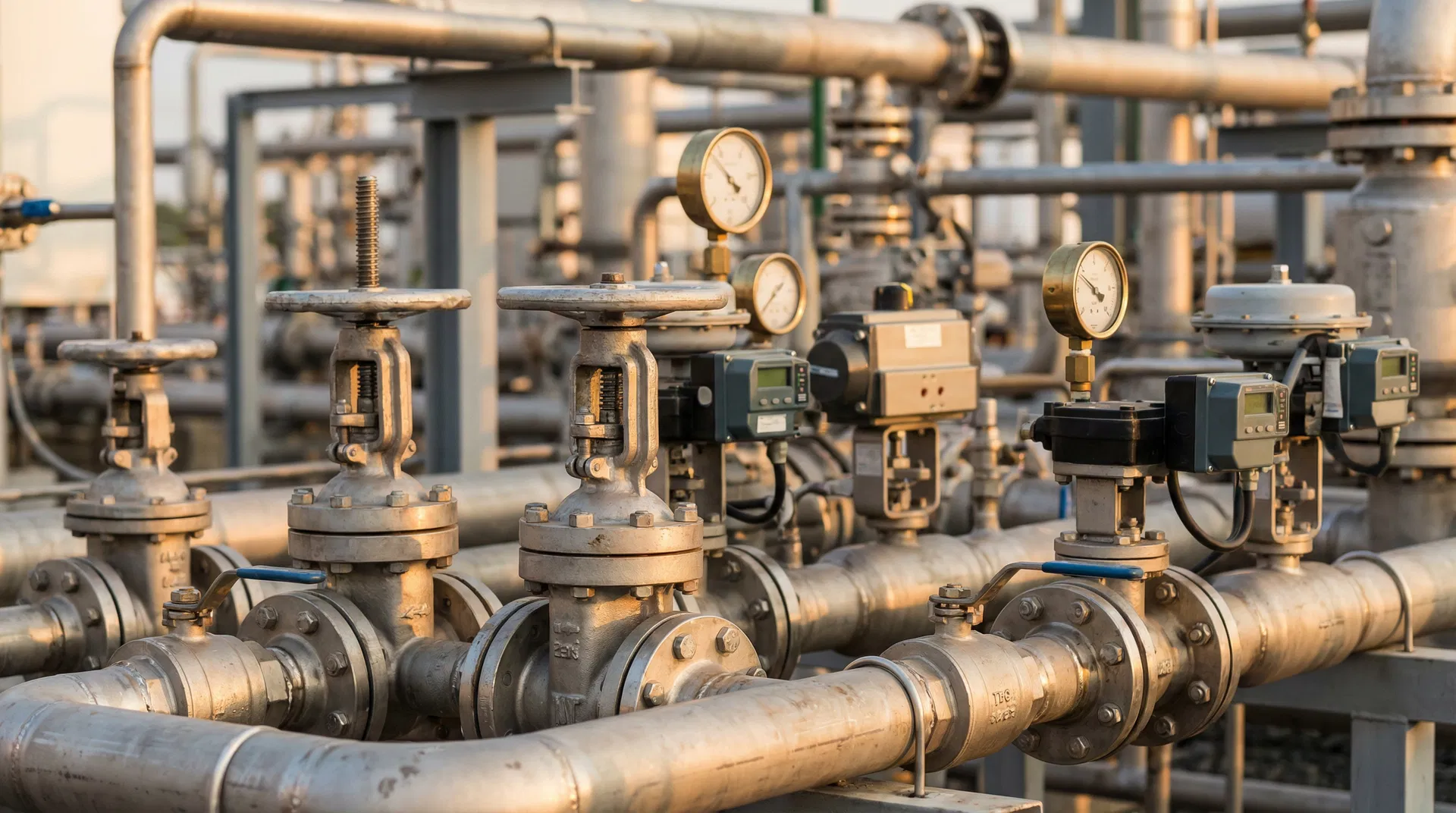
Gate valves provide full-bore flow with minimal pressure drop, making them ideal for on/off service where valves remain fully open or closed. They're not suitable for throttling as partial opening causes vibration and seat damage. Gate valves are common in water distribution, oil and gas pipelines, and general industrial applications.
Globe valves excel at throttling and flow regulation due to their design that changes flow direction through the valve body. This provides excellent control characteristics but creates higher pressure drop than gate valves. Globe valves are preferred for applications requiring frequent operation or precise flow control—cooling water systems, steam lines, and process control applications.
Ball and Butterfly Valves
Ball valves offer quick quarter-turn operation, tight shutoff, and low pressure drop. They're reliable, easy to operate, and suitable for a wide range of fluids including slurries and viscous liquids. Ball valves dominate in sizes up to 150mm for general industrial service. Larger sizes become expensive and heavy, favoring butterfly valves instead.
Butterfly valves provide economical flow control in large pipe sizes. Their compact design and light weight simplify installation and reduce costs. Modern high-performance butterfly valves achieve tight shutoff and good throttling characteristics, challenging traditional globe valves in many applications. They're common in HVAC systems, water treatment, and large-diameter process piping.
Material Selection
Valve body materials must withstand operating pressures, temperatures, and fluid corrosivity. Cast iron suits low-pressure water and non-corrosive fluids. Carbon steel handles higher pressures and temperatures but corrodes in acidic or chloride-containing fluids. Stainless steel provides excellent corrosion resistance for food, pharmaceutical, and chemical applications.
Trim materials—seats, discs, and stems—require careful selection based on fluid characteristics and operating conditions. Soft-seated valves use elastomers or plastics for tight shutoff with clean fluids. Metal-seated valves handle high temperatures, abrasive fluids, or applications where elastomers degrade. Material compatibility charts guide selection, but testing may be required for unusual fluids or conditions.
Valve Selection Checklist
- Fluid type, temperature, and pressure
- Required flow capacity and pressure drop
- On/off service vs. throttling requirements
- Operating frequency and cycle life
- Maintenance access and spare parts availability
Actuation and Control
Manual operation suits infrequently operated valves in accessible locations. Handwheels, levers, or gear operators provide mechanical advantage for large valves. Automated actuation—electric, pneumatic, or hydraulic—enables remote operation, integration with control systems, and rapid response times essential for safety and process control.
Actuator selection considers operating torque, speed requirements, fail-safe behavior, and environmental conditions. Pneumatic actuators offer fast operation and intrinsic safety in explosive atmospheres. Electric actuators provide precise positioning and eliminate compressed air requirements. Hydraulic actuators deliver high force for large valves but require hydraulic power systems.
Standards and Certifications
Industrial valves must meet relevant standards ensuring performance, safety, and interchangeability. API, ASME, and ISO standards specify design, materials, testing, and marking requirements. Pressure equipment directives and local regulations may mandate specific certifications. Specifying standards-compliant valves ensures quality and facilitates sourcing replacement parts.
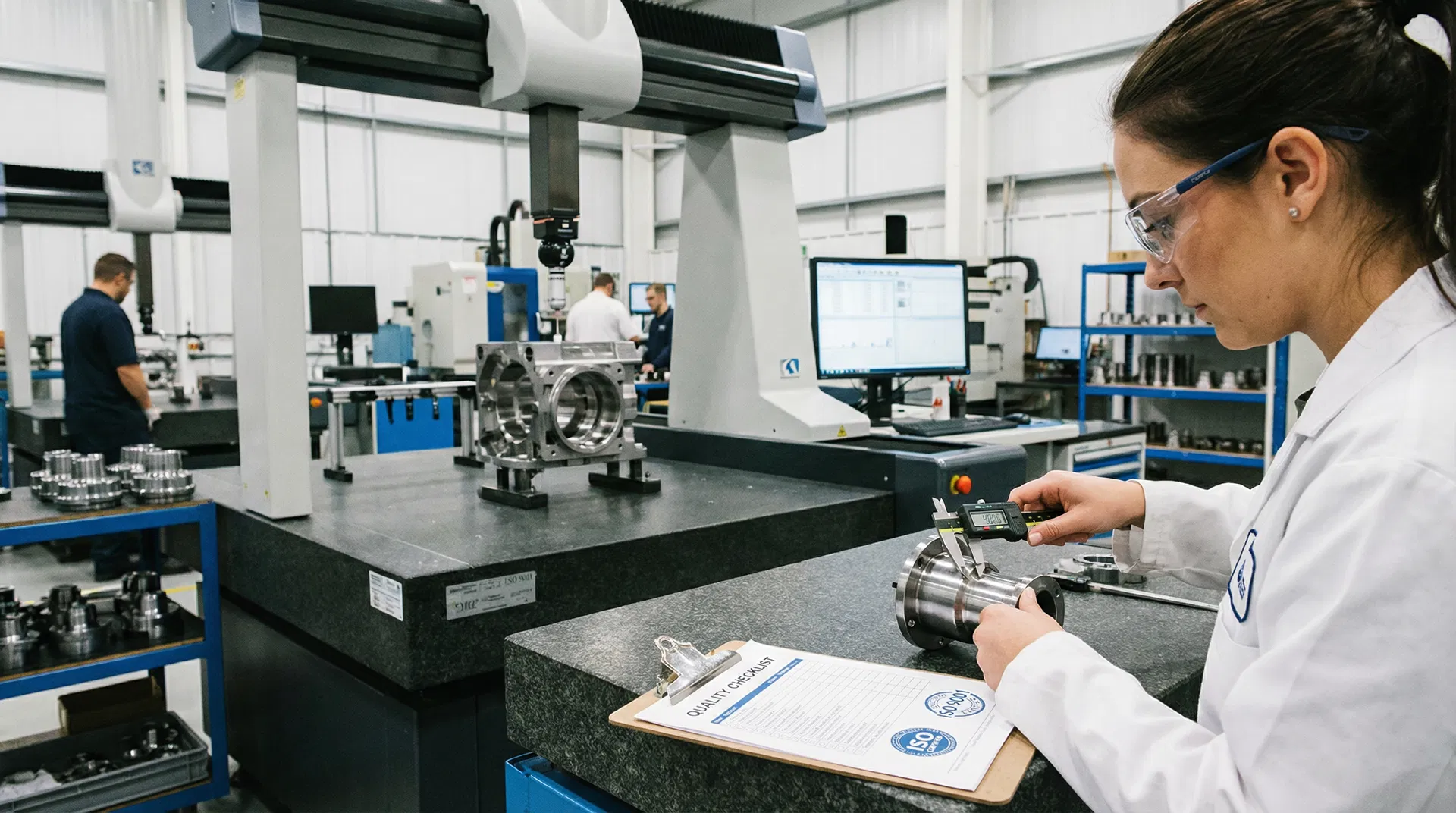
Testing and inspection verify valve performance. Hydrostatic testing confirms pressure-containing integrity. Seat leakage testing verifies shutoff capability. Non-destructive examination detects material defects. Documentation—material certificates, test reports, and operating manuals—provides traceability and supports maintenance planning.
Lifecycle Cost Considerations
Initial purchase price is only one component of valve lifecycle costs. Installation costs, maintenance requirements, energy consumption, and reliability all impact total cost of ownership. High-quality valves cost more initially but often deliver lower lifecycle costs through reduced maintenance, longer service life, and better performance.
Hadid Group supplies industrial valves from reputable manufacturers, ensuring quality and standards compliance. Our technical team can assist with valve selection, providing recommendations based on your specific application requirements. We maintain stock of common sizes and can expedite special orders when needed.