
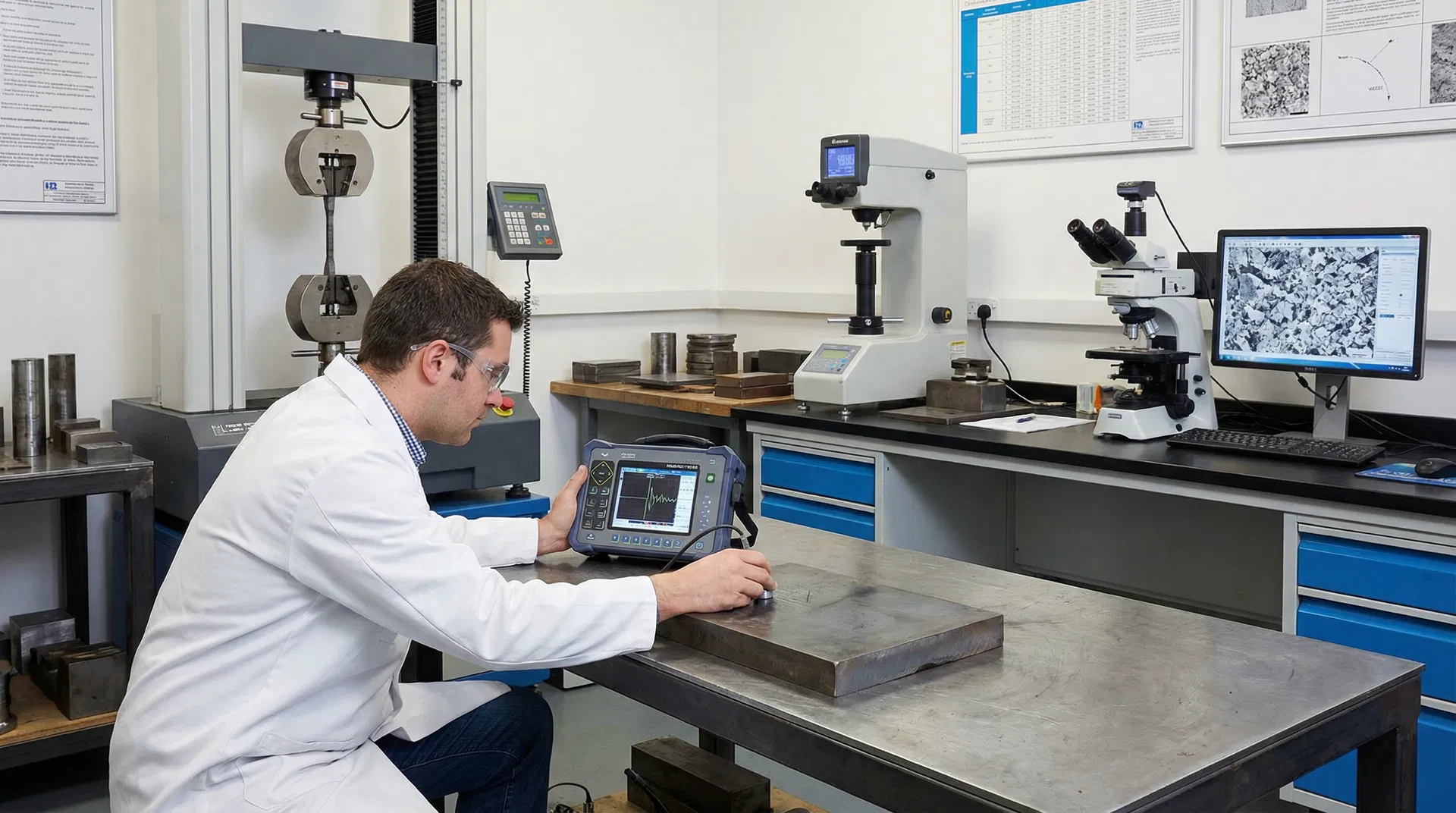
Powder Coating vs. Galvanizing: Choosing the Right Protection
Steel's strength and versatility make it ideal for countless applications, but unprotected steel corrodes rapidly in New Zealand's coastal climate. Two primary protection methods—hot-dip galvanizing and powder coating—offer different benefits and limitations. Understanding these differences enables informed decisions that balance performance, aesthetics, and cost for specific applications.
Hot-Dip Galvanizing Process and Benefits
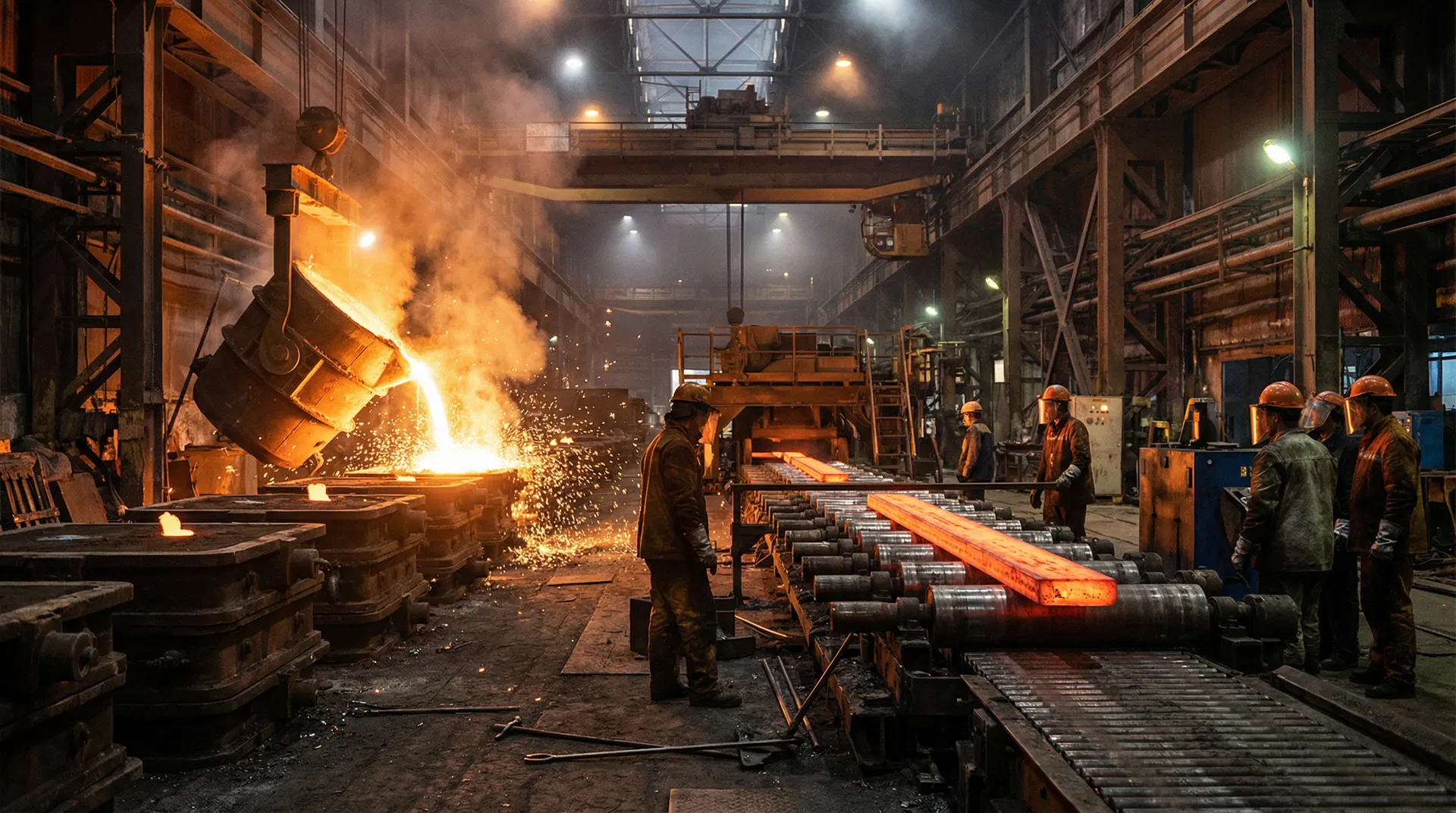
Hot-dip galvanizing immerses steel in molten zinc at approximately 450°C, creating a metallurgical bond between zinc and steel. The resulting coating—typically 85-200 microns thick—provides exceptional corrosion protection through both barrier and sacrificial protection mechanisms. The zinc coating prevents moisture and oxygen from reaching the steel, while also sacrificially corroding to protect any exposed steel at cut edges or damage points.
Galvanizing's primary advantage is longevity. In most New Zealand environments, galvanized steel provides 50+ years of maintenance-free protection. Coastal and industrial environments reduce this somewhat, but even harsh exposures typically achieve 20-30 years. This long life makes galvanizing economical despite higher initial costs—lifecycle costs are often lower than alternative protection methods.
Powder Coating Process and Benefits
Powder coating applies dry powder electrostatically, then cures it in an oven to form a hard, durable finish. Unlike liquid paints, powder coating contains no solvents, making it environmentally friendly with minimal VOC emissions. The cured coating—typically 60-100 microns thick—provides excellent abrasion resistance and color retention.
Powder coating's key advantage is aesthetic versatility. Virtually any color is available, along with various textures and gloss levels. This makes powder coating ideal for architectural applications where appearance matters. The coating is also tougher than conventional paint, resisting chips, scratches, and fading better than liquid coatings.
Comparing Corrosion Protection
Galvanizing generally provides superior corrosion protection, particularly in harsh environments. The thick zinc coating and sacrificial protection mechanism ensure long-term performance even if the coating is damaged. Powder coating provides good corrosion protection but relies entirely on barrier protection—any coating damage exposes steel to corrosion.
For maximum protection, duplex systems combine galvanizing and powder coating. The galvanized layer provides long-term corrosion protection, while powder coating adds color and additional barrier protection. Duplex systems can achieve 1.5-2.3 times the life of galvanizing alone—ideal for severe exposures or where maintenance access is difficult.
Application Selection Guide
Galvanizing: Structural steel, outdoor equipment, coastal/industrial environments, long design life | Powder Coating: Architectural features, indoor applications, color requirements | Duplex: Severe exposures, architectural steel, maximum life
Cost Considerations
Initial costs favor powder coating—typically 30-50% less than galvanizing for similar-sized components. However, lifecycle cost analysis often favors galvanizing due to longer life and lower maintenance. Duplex systems have the highest initial cost but lowest lifecycle cost in demanding applications.
Consider replacement costs and business disruption when comparing options. Premature coating failure requires removal, surface preparation, and recoating—expensive and disruptive. Choosing appropriate protection initially avoids these future costs and hassles.
Design Considerations
Galvanizing requires design considerations—drainage holes for trapped liquids, venting for trapped air, and appropriate member sizing for immersion in zinc baths. Sharp edges and corners should be avoided as zinc coating is thinner in these areas. Designers familiar with galvanizing requirements can optimize designs for successful coating.
Powder coating is more forgiving of design details but requires proper surface preparation. Steel must be clean, dry, and free of mill scale, rust, or contaminants. Pretreatment—typically iron phosphate or zinc phosphate conversion coating—ensures good adhesion and corrosion resistance.
Hadid Group's Coating Capabilities
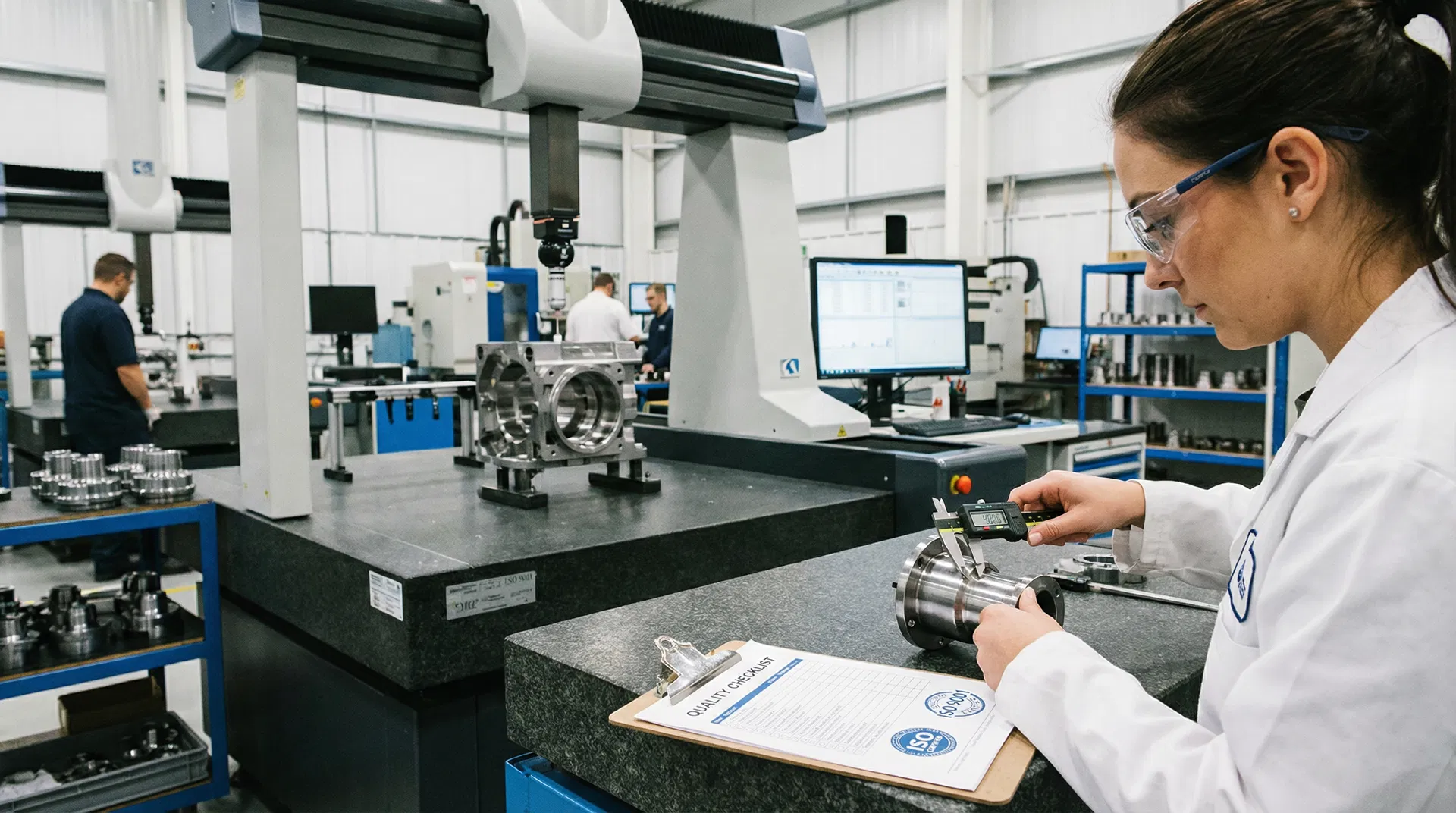
Hadid Group offers both galvanizing and powder coating services through our network of quality coating applicators. We can advise on appropriate coating selection for your application and ensure proper surface preparation and coating application. All coatings meet relevant AS/NZS standards and come with comprehensive documentation for building consent and quality assurance purposes.