Pre-Engineered Buildings: Fast, Cost-Effective Construction Solutions
Pre-engineered buildings (PEBs) have revolutionized the construction industry, offering rapid deployment, cost efficiency, and design flexibility. These structures—manufactured off-site and assembled on location—are ideal for warehouses, factories, agricultural buildings, and commercial spaces. This comprehensive guide explores the benefits, design considerations, and best practices for PEB construction in New Zealand.
What Are Pre-Engineered Buildings?
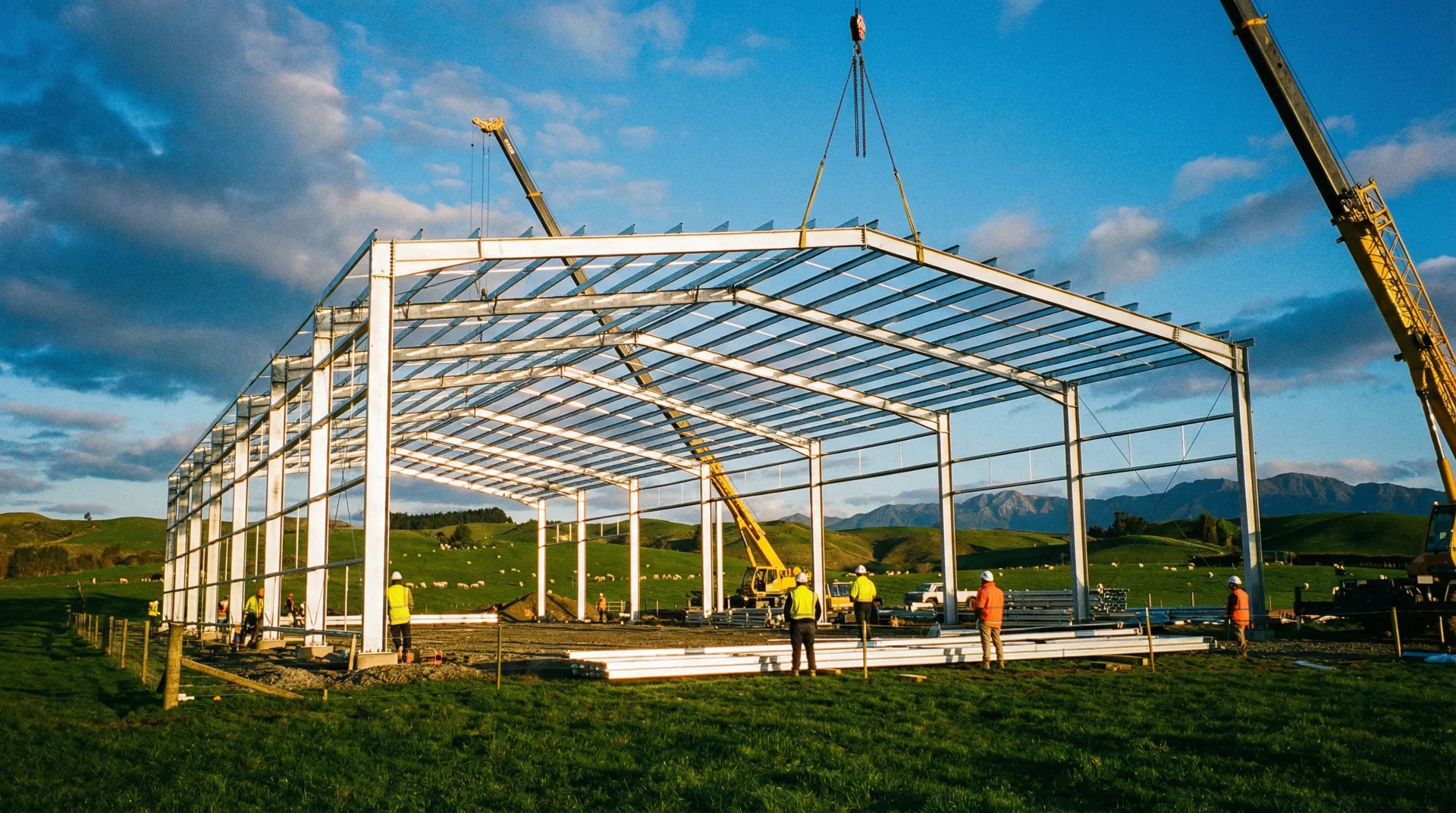
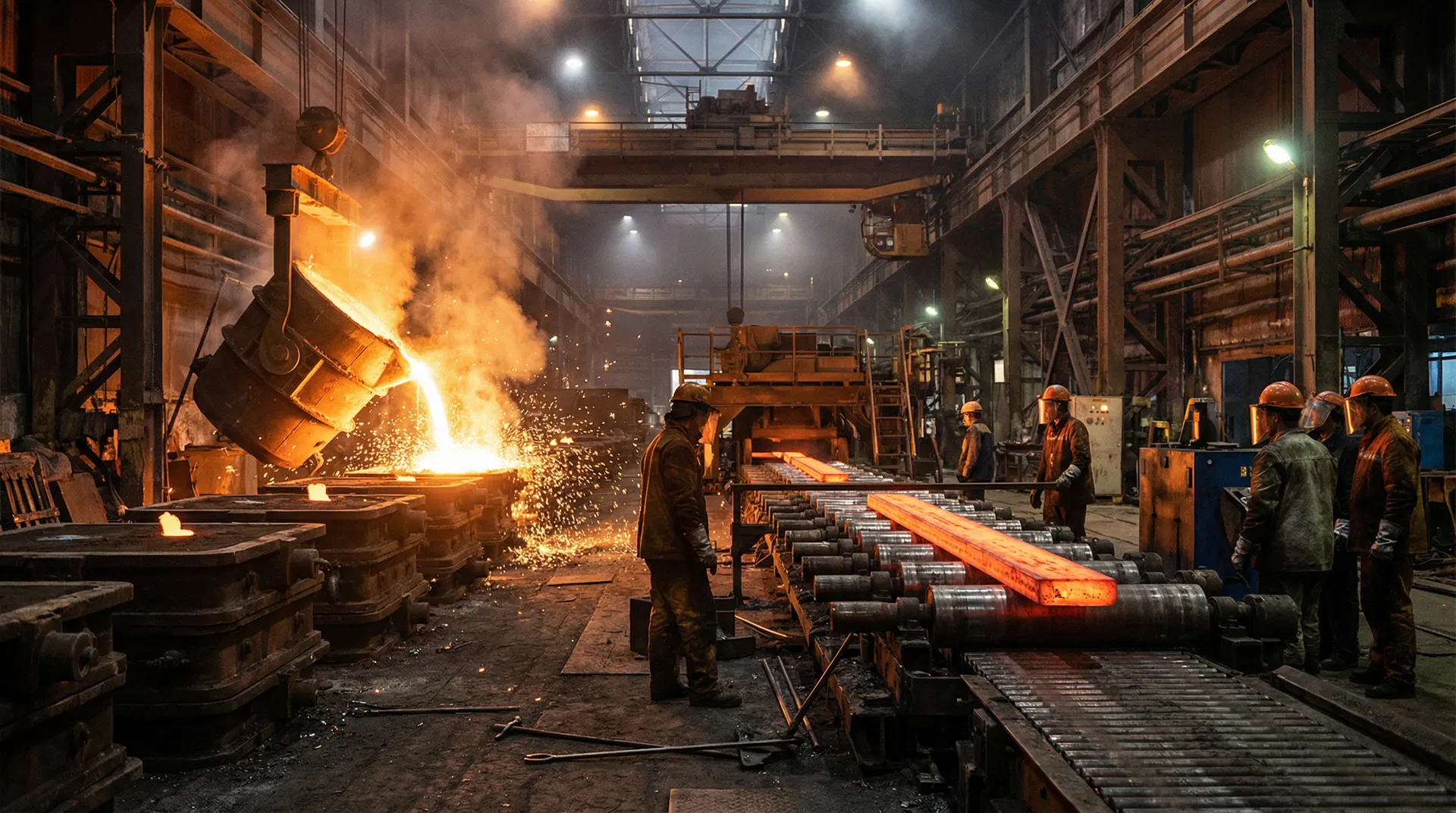
PEBs are steel structures designed and fabricated in a factory, then shipped to the construction site for assembly. Unlike conventional buildings where design and fabrication occur sequentially, PEBs integrate these processes. Computer-aided design optimizes every component for strength and material efficiency, resulting in lighter, more economical structures that meet all performance requirements.
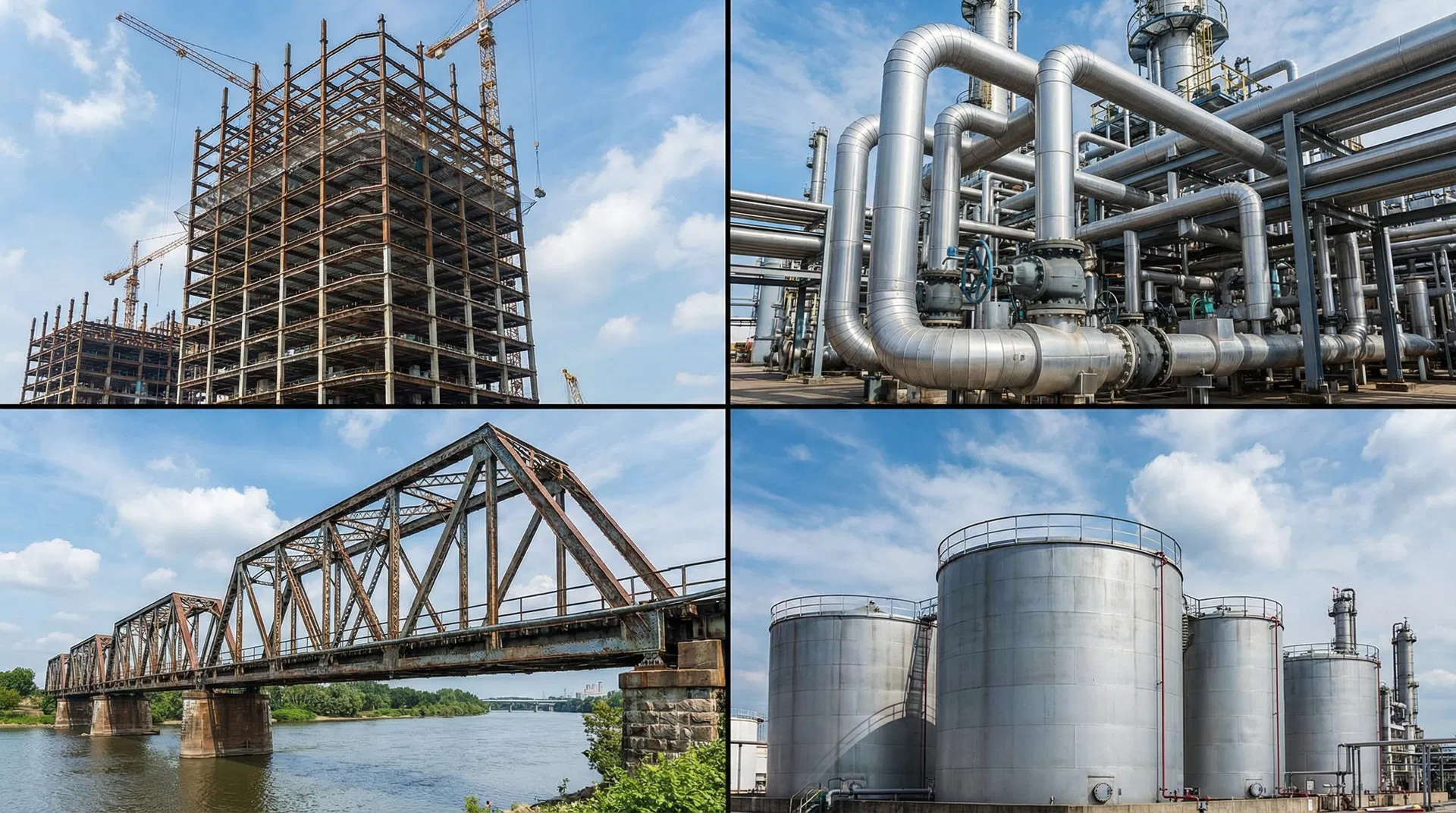
The primary structural system consists of rigid frames—columns and rafters connected by moment-resistant connections. Secondary framing includes purlins and girts that support roof and wall cladding. All components are precisely manufactured to tight tolerances, ensuring perfect fit during assembly. This precision manufacturing is impossible with site-fabricated structures.
Advantages of PEB Construction
Speed is perhaps the most significant advantage. Factory fabrication occurs simultaneously with site preparation, dramatically reducing overall project duration. A typical warehouse that might take 12 months using conventional construction can be completed in 6-8 months with PEB methods. This faster completion means earlier occupancy and revenue generation.
Cost efficiency stems from optimized design and factory production. Computer modeling identifies the most efficient structural configuration, minimizing material use while meeting all strength requirements. Factory production eliminates weather delays and achieves labor efficiencies impossible on construction sites. These savings typically result in 20-30% lower costs compared to conventional construction.
Design Flexibility and Customization
Modern PEBs offer remarkable design flexibility. Clear spans up to 90 meters are achievable without internal columns, providing maximum usable space. Roof slopes, building heights, and bay spacing can be customized to specific requirements. Expansion is straightforward—end walls can be removed and additional bays added with minimal disruption.
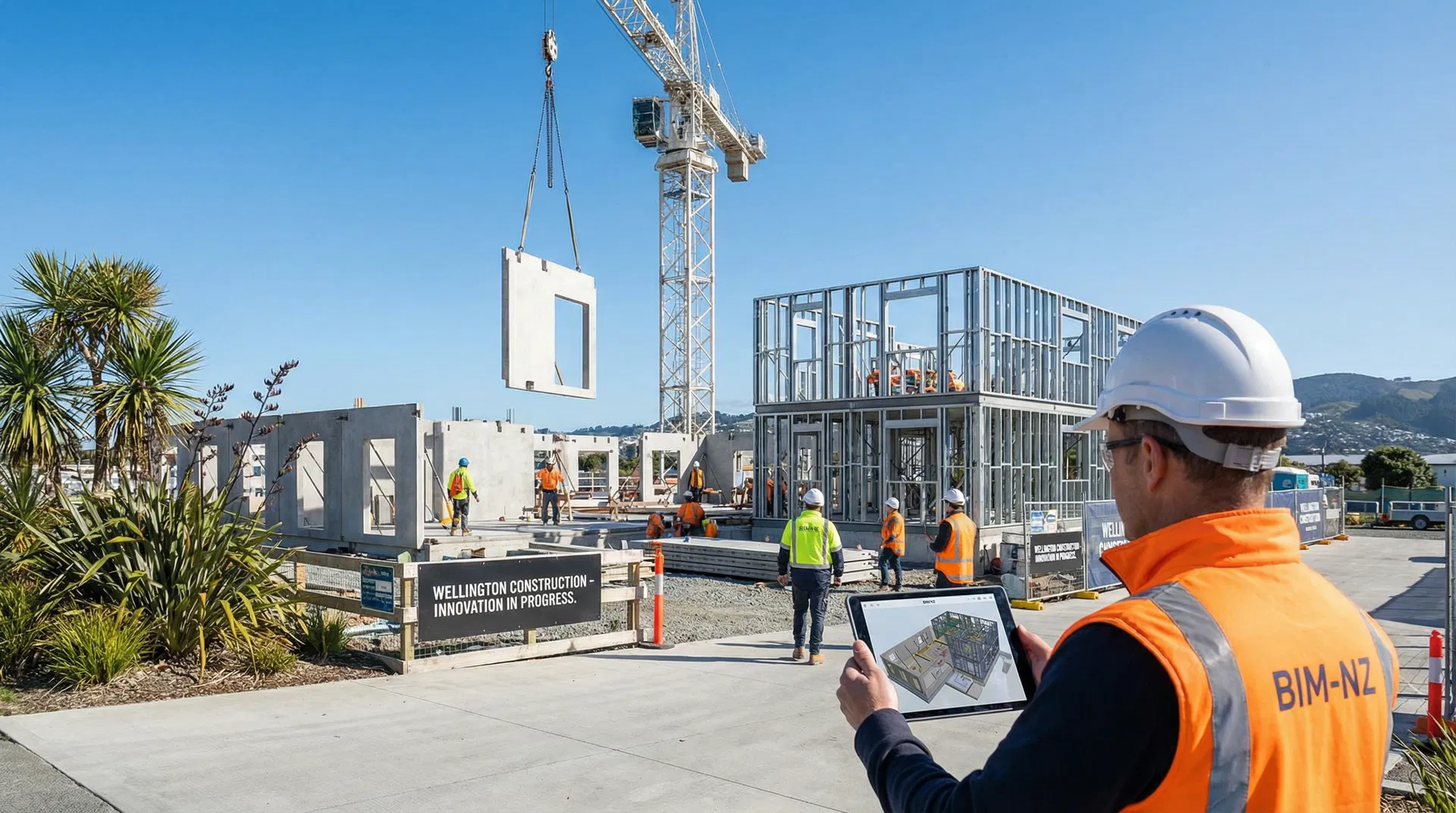
Architectural treatments transform utilitarian structures into attractive buildings. Standing seam metal roofing, insulated wall panels, and architectural accents create appealing facades. Interior finishes—suspended ceilings, partition walls, and mezzanines—can be incorporated during or after initial construction. The result is a building that meets functional requirements while satisfying aesthetic expectations.
Cost Comparison: 1000m² Warehouse
Conventional construction: $1,200-1,500/m² | PEB construction: $800-1,100/m² | Savings: 25-35% | Time savings: 4-6 months
New Zealand-Specific Considerations
PEBs must comply with New Zealand Building Code requirements, particularly seismic design provisions. Our location on the Pacific Ring of Fire demands structures capable of withstanding significant earthquake forces. Modern PEB design software incorporates NZS 1170 loading standards, ensuring compliance with local requirements.
Wind loading is another critical consideration, especially for coastal locations. PEBs can be engineered for extreme wind conditions, with appropriate connections and bracing systems. Corrosion protection through hot-dip galvanizing or high-performance coatings ensures long service life in New Zealand's challenging climate.
Sustainability and Energy Efficiency
PEBs align well with sustainability goals. Steel is infinitely recyclable, and modern buildings often incorporate 90%+ recycled content. Optimized design minimizes material use, reducing embodied carbon. Factory production generates less waste than site construction, with scrap steel fully recycled.
Energy efficiency is achieved through proper insulation and design. Insulated roof and wall panels provide excellent thermal performance, reducing heating and cooling costs. Translucent panels or skylights provide natural daylighting, reducing electricity consumption. Solar panels integrate easily with metal roofing, enabling on-site renewable energy generation.
Hadid Group's PEB Capabilities
Hadid Group supplies complete PEB packages—from initial design through fabrication and delivery. Our engineering team works with clients to develop optimal solutions for their specific requirements. We source materials from quality mills, ensure compliance with New Zealand standards, and coordinate with experienced erectors for seamless project execution.