Smart Irrigation: Precision Water Management for New Zealand Agriculture
Water is New Zealand agriculture's most critical resource, yet traditional irrigation methods waste significant amounts through evaporation, runoff, and over-application. Smart irrigation systems use sensors, weather data, and automated controls to deliver precise water quantities exactly when and where needed. This technology reduces water consumption by 20-40% while improving crop yields and quality—a compelling combination for modern farming operations.
Components of Smart Irrigation Systems
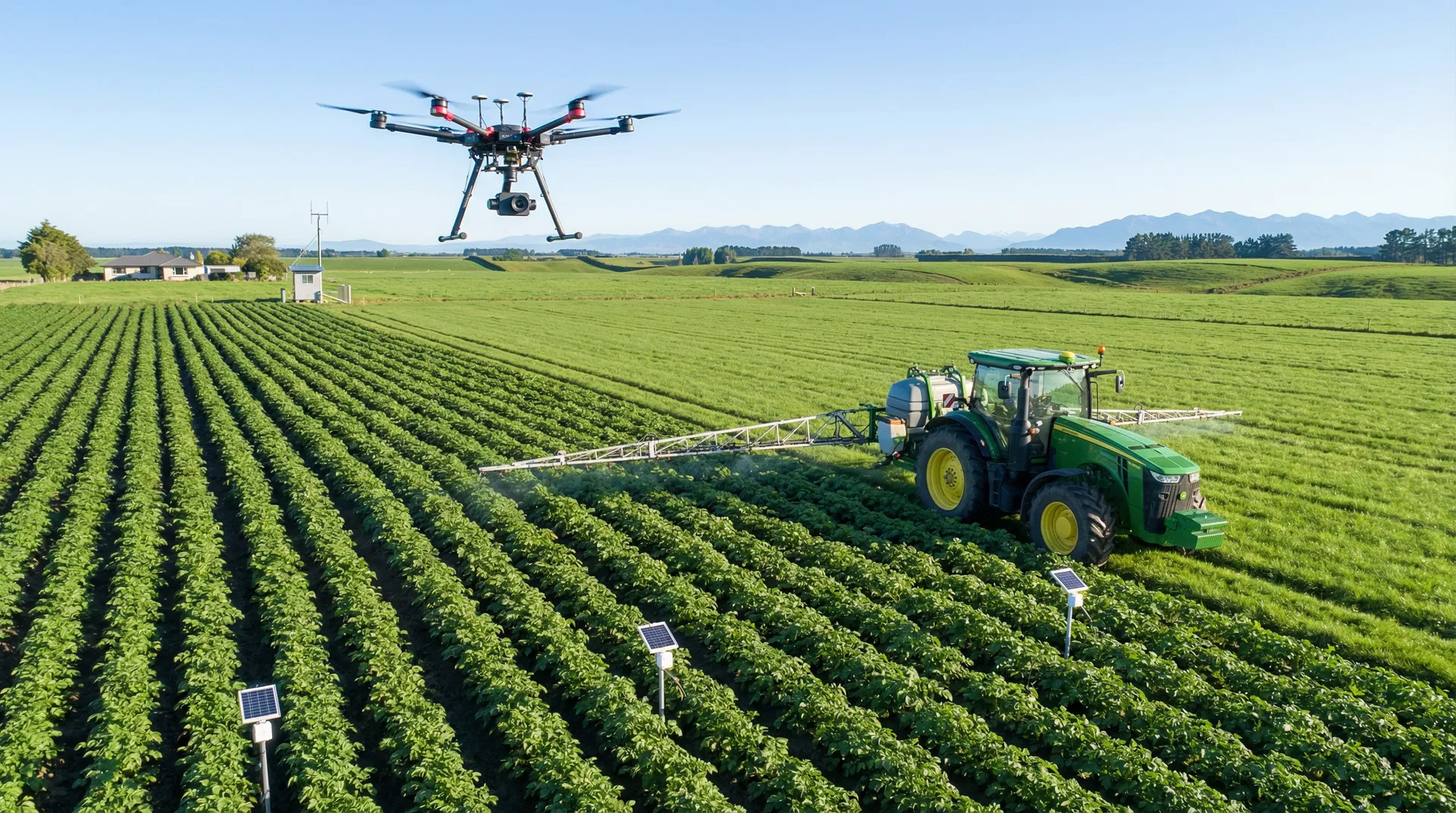
Soil moisture sensors form the foundation of smart irrigation, measuring water content at multiple depths throughout the root zone. These sensors provide real-time data on actual plant water availability, eliminating guesswork from irrigation scheduling. Modern sensors communicate wirelessly, allowing monitoring of multiple locations across large properties.
Weather stations measure rainfall, temperature, humidity, wind speed, and solar radiation—all factors affecting crop water requirements. This data feeds into evapotranspiration (ET) models that calculate daily water loss from crops. Irrigation controllers use this information to adjust watering schedules automatically, accounting for changing weather conditions.
Variable Rate Irrigation
Not all parts of a field have identical water requirements. Soil type variations, topography, and crop vigor differences create zones with different irrigation needs. Variable rate irrigation (VRI) applies different water amounts to different zones, optimizing application across the entire field.
Center pivot and lateral move irrigators can be equipped with individual sprinkler control, allowing precise zone management. Soil maps, yield data, and aerial imagery identify irrigation zones. The system then applies appropriate water quantities to each zone automatically. This precision prevents over-watering in some areas while ensuring adequate water elsewhere.
Remote Monitoring and Control
Modern irrigation systems connect to cloud platforms accessible via smartphone or computer. Farmers can monitor soil moisture, weather conditions, and system status from anywhere. Remote control allows starting, stopping, or adjusting irrigation without traveling to the field—particularly valuable for large properties or farmers managing multiple locations.
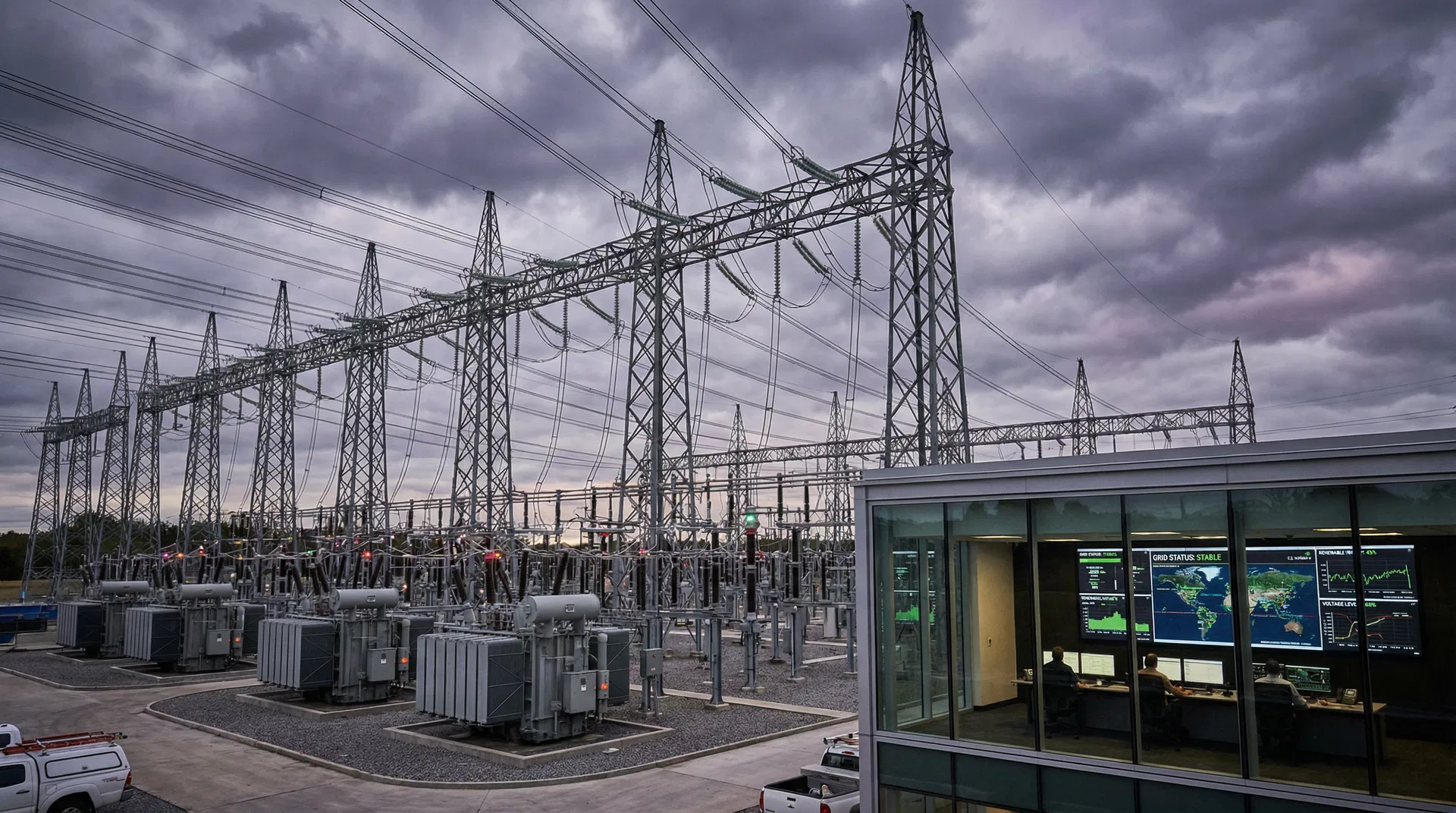
Alert systems notify farmers of problems—pump failures, broken pipes, or abnormal water use—enabling rapid response before minor issues become major problems. Historical data tracking provides insights into water use patterns and system performance, supporting continuous improvement of irrigation management.
Water Savings Example: 100ha Dairy Farm
Traditional irrigation: 8,000mm/season | Smart irrigation: 5,500mm/season | Water saved: 31% | Cost savings: $45,000/year | System payback: 3.5 years
Integration with Other Farm Systems
Smart irrigation integrates with other precision agriculture technologies. Yield monitors identify areas of poor performance that may indicate irrigation problems. Nutrient management systems coordinate fertilizer application with irrigation, ensuring nutrients reach the root zone when plants can use them most effectively.
Farm management software platforms consolidate data from multiple sources—irrigation, weather, yield, soil tests, and financial systems—providing comprehensive insights for decision-making. This integrated approach optimizes overall farm performance, not just individual systems.
Environmental and Regulatory Benefits
Precise irrigation reduces nutrient leaching by preventing excess water from carrying fertilizers beyond the root zone into groundwater. This environmental benefit is increasingly important as regional councils implement stricter nutrient discharge limits. Smart irrigation helps farmers meet these requirements while maintaining productivity.
Water use efficiency is critical as competition for water resources intensifies. Smart irrigation demonstrates responsible water stewardship, supporting consent renewals and public perception. Some regions offer incentives for irrigation efficiency improvements, further improving the business case for smart systems.
Getting Started with Smart Irrigation
Begin with soil moisture monitoring on a representative area of your property. This provides baseline data on actual water use and identifies opportunities for improvement. Add weather monitoring and automated control as experience grows. Many systems are modular, allowing incremental investment as benefits are proven.
Hadid Group supplies the structural components for irrigation systems—pivot towers, spans, and support equipment. We work with irrigation specialists to ensure our materials meet the demanding requirements of modern precision irrigation systems. Contact us to discuss your irrigation infrastructure needs.